
Visit Pécs
A city of layered history
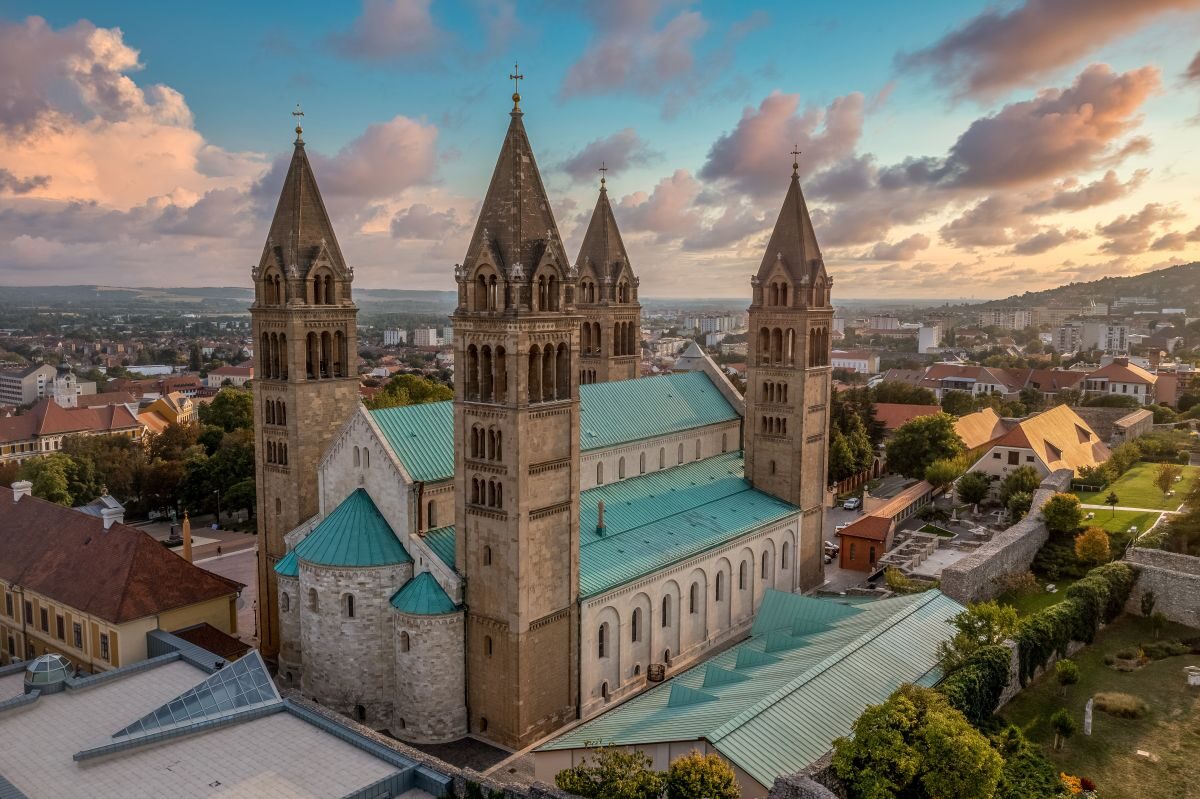
Nestled against the wooded Mecsek Hills in Hungary's sunny south, Pécs layers almost two thousand years of history street by street: Roman Sopianae, a UNESCO-listed Early Christian Necropolis, an Ottoman mosque, Zsolnay porcelain, and a 2010 European Capital of Culture.
Travel
Getting to Pécs from Budapest
Most delegates arrive via Budapest Ferenc Liszt International Airport (BUD), about 220 km north of Pécs. There is no commercial airport in Pécs itself, but the onward journey is straightforward — allow roughly three to four hours in total.
Direct airport shuttle
Door-to-door minibus straight from the airport to Pécs. Book ahead with operators such as Travel4You. Journey about 3 hours. travel4you.hu/en
By Public Transport – InterCity train
Take the 100E Airport Express bus from Budapest Airport to Kálvin tér M. From Kálvin tér, take Metro M4 directly to Kelenföld railway station. From Budapest-Kelenföld, take a direct InterCity (IC) train to Pécs. The train journey is usually around 3 hours, depending on the service.
Please buy tickets, including seat reservations, in advance as seats can run out. Choose 1st or 2nd class because the 3rd class is not air-conditioned.
By car
About 2½ hours via the M6 motorway. A motorway vignette (e-matrica) is required; drive on the right. A valid licence, registration and insurance are compulsory.
- Airport → city
- Bus 100E runs to Deák Ferenc tér; Főtaxi is the official airport taxi. Bolt and Uber are also available via app.
- Money
- Carry some forint (HUF) for emergencies; cards and online payments are widely accepted.
- Bus tickets
- Use the BudapestGO app for current Budapest public-transport times and tickets.
- Train tickets
- Buy online via MÁV or purchase on site.
- Tip
- Give yourself buffer time and pre-book tickets and reservations.
Explore
What to see
Széchenyi Square
The grand main square at the heart of the old town, ringed by historic façades and cafés.
Mosque of Pasha Gazi Kasim
The 16th-century Ottoman mosque crowning the square — the largest surviving Ottoman building in Hungary, now a church.
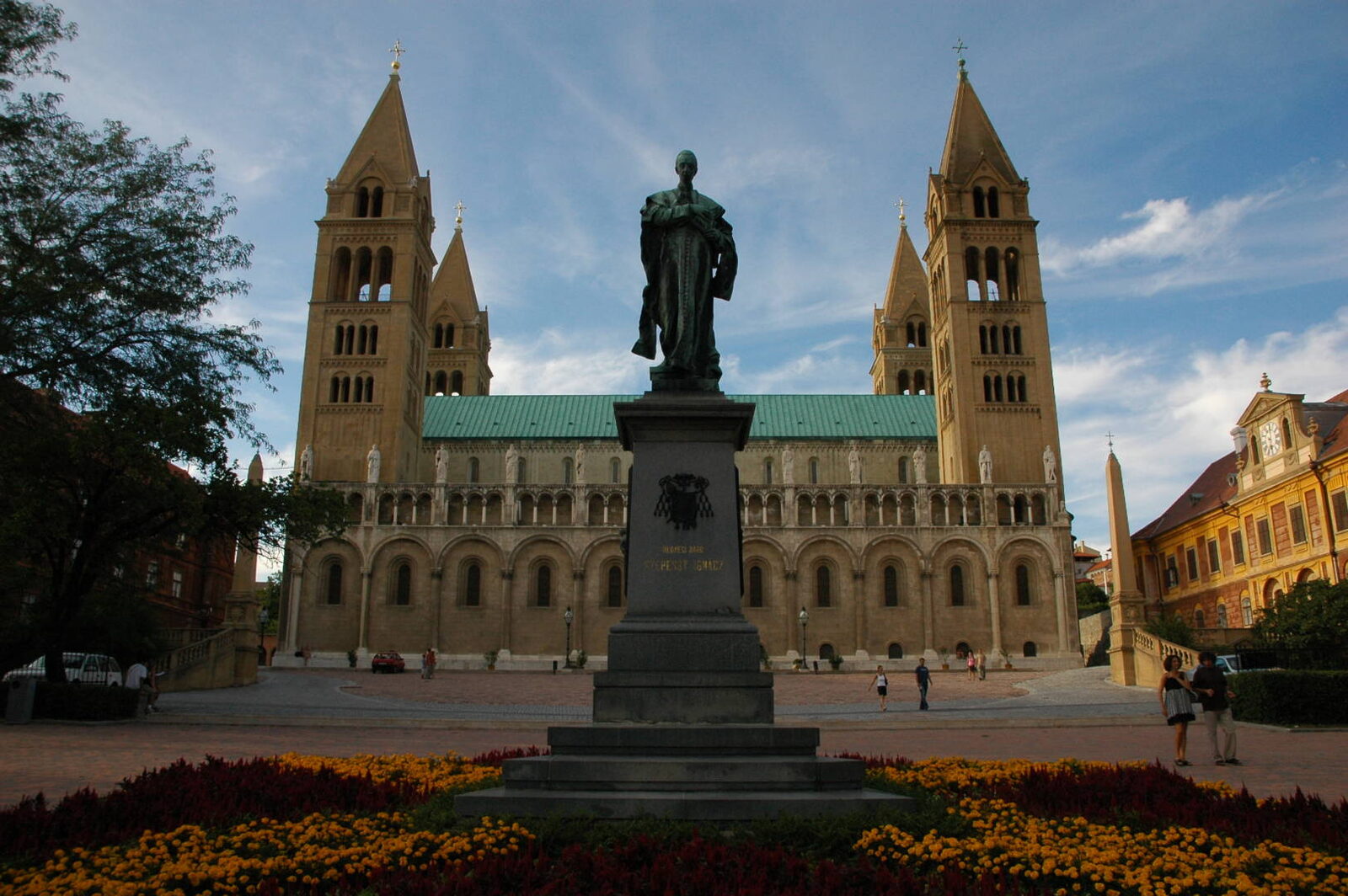
Cathedral of St. Peter & St. Paul
The distinctive four-towered basilica, with a museum of medieval treasures and fine views.
Early Christian Necropolis
UNESCO World Heritage painted burial chambers (Cella Septichora) beneath the cathedral quarter.
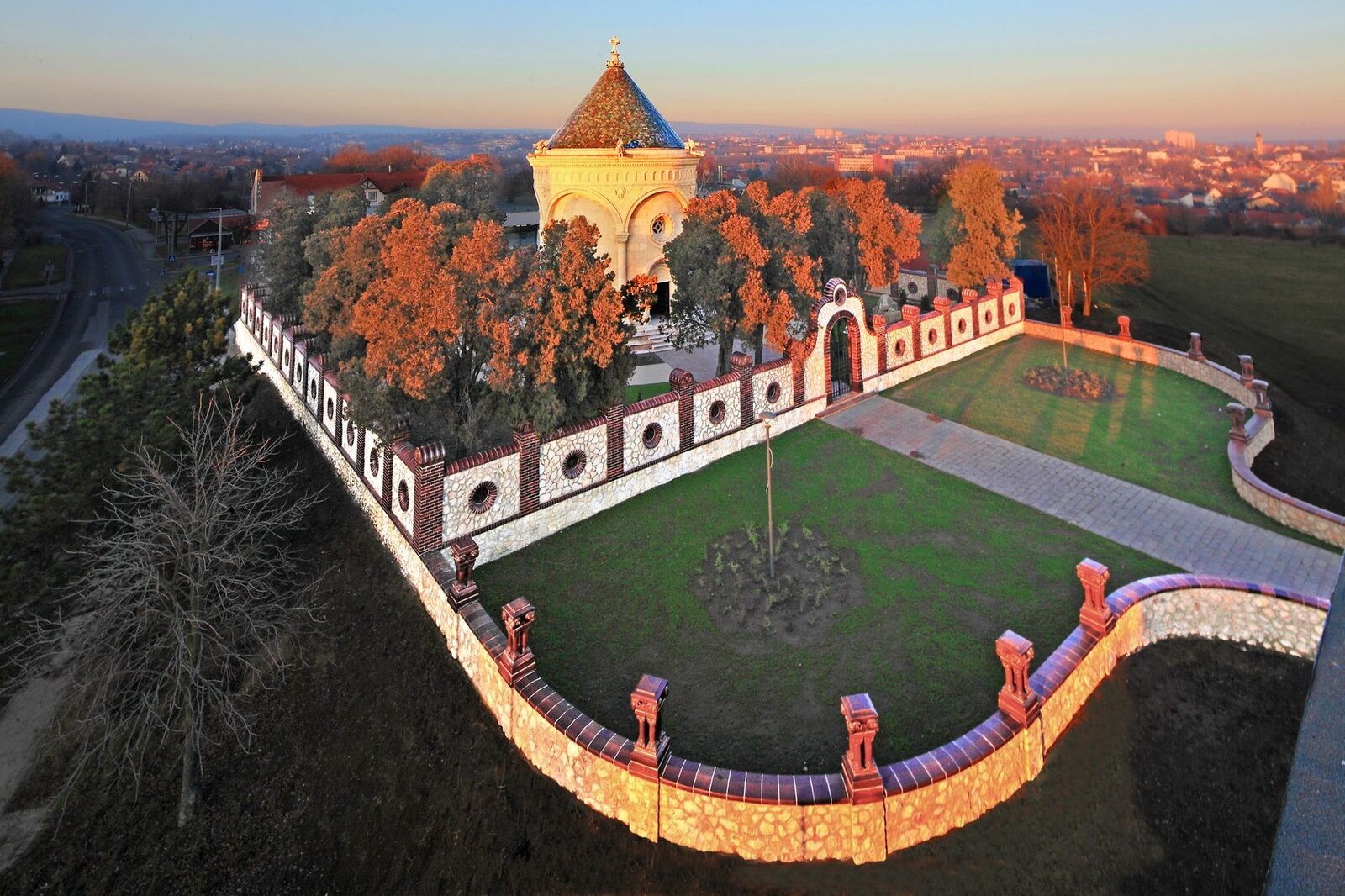
Zsolnay Cultural Quarter
The former porcelain works turned creative campus, with the porcelain museum and lion-lined Mausoleum.
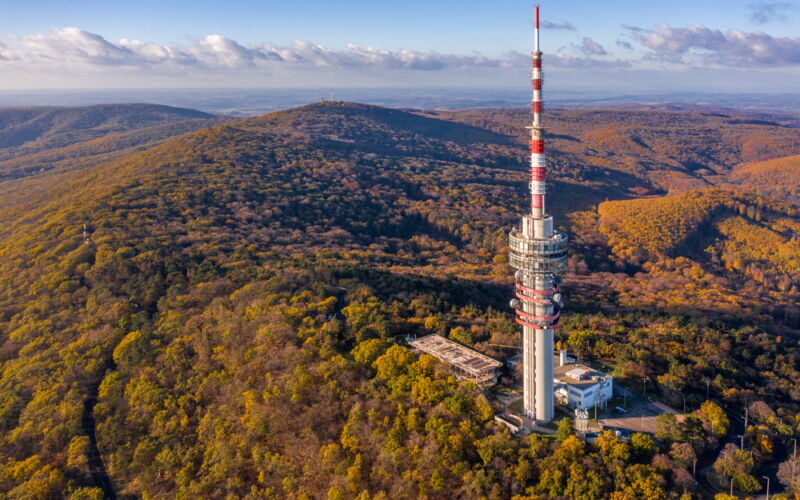
Tettye & the Mecsek Hills
Parkland, ruins and viewpoints a short, leafy walk above the town centre.
Taste
Where to eat & drink
Pécs eats and drinks well, and generally at gentle prices. The city sits between the celebrated Villány and Szekszárd wine regions — look out for local reds, and pause for coffee in a Zsolnay-tiled café. While lunch, coffee break and a social dinner will be on us, here are a few other places to get you started:
Tüke Borház
Hungarian cooking and local wines in a warm, traditional setting.
Főtér Bistro & Bar
Bistro plates and terrace seating right on Széchenyi Square.
Lezser Bárkonyha
Contemporary cooking with local flavours; try the crispy duck.
Bagolyvár (Owl Castle)
A brick-vaulted cellar restaurant in the Tettye hills with sweeping views.
Bohemia Sörkonyha
Craft beer and hearty, generous plates in a lively room.
Nappali Bár
A local favorite to enjoy a cold beer on the main Király street.
A selection to get you started, reserve ahead for larger groups.
Practical Notes
Weather & essentials
Mid-September is one of the loveliest times to be in Pécs: warm, largely sunny days of around 22–24°C and cooler evenings near 12°C, with roughly seven hours of sunshine and only the occasional short shower. Pack light layers, a jacket or jumper for the evenings, comfortable walking shoes and a small umbrella, if needed.
Getting around & money
- Currency
- Hungarian Forint (HUF); cards widely accepted, carry some cash.
- On foot
- The old town is compact and very walkable.
- Buses
- Local buses serve the wider city and campuses.
- Time zone
- Central European Time (CET / CEST).
- Tipping
- Around 10% is customary in restaurants but is often included in the service charge.
Practical essentials
- Language
- Hungarian; English widely understood as this is a university city.
- Electricity
- 230 V; European two-pin plugs (types C/F).
- Emergency
- 112 — the general European emergency number.
- Health
- EHIC or travel insurance recommended.
- Tap water
- Safe to drink throughout the city.